


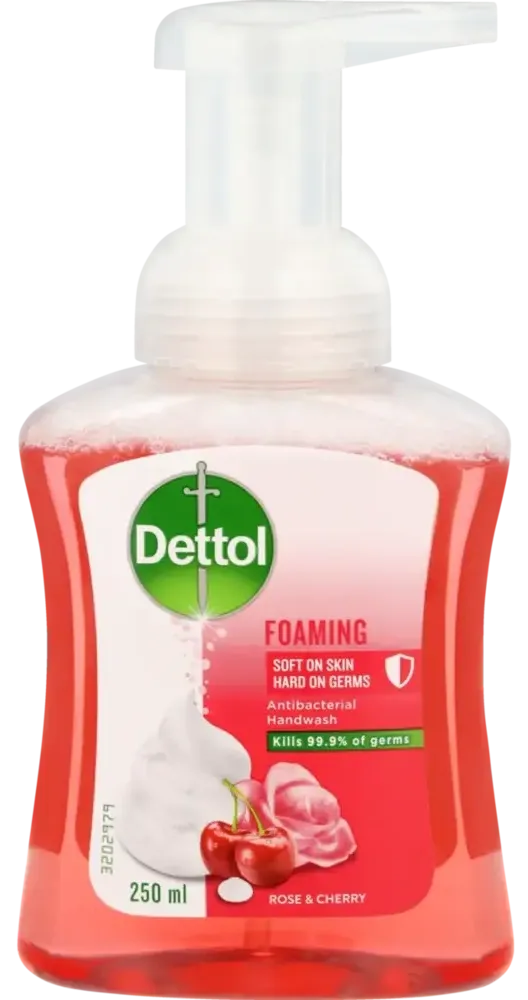
Antibacterial Foam Formula


You will change a lot of nappies in your baby’s early years —about 10 to 12 each day for newborns and 5 to 8 each day for older babies — so it helps to have everything you need on hand for nappy changes:
There are two kinds of nappies, disposable and reusable, both of which have an impact on the environment. Other factors to consider when you are choosing the best nappies for you and your baby include cost, convenience, time, and performance. For example, disposable nappies are highly absorbent and easy and convenient to use, while reusable nappies can be more cost-effective but require time and effort to clean and dry.
A changing mat is a good place to change your baby’s nappy. You can place the changing mat on the floor or a changing table. If you use a changing table, always keep your hand on your baby to prevent falls.
You should change your baby’s nappy every 3 to 4 hours, and as soon as possible after your baby does a poo. Changing your baby’s nappies frequently helps to prevent nappy rash. Newborn babies often poo during or after feeding, so it can sometimes be better to wait until after feeding to change your baby’s nappy.
Wash your hands with soap and water (or use hand sanitiser if handwash is not available) before you start a nappy change, then follow these steps:
Boys often wee during a nappy change, so try covering their penis to avoid getting sprayed! Gently clean around your baby boy’s genitals, then position the penis downwards before securing the nappy to prevent leaks at the waistline.
For girls, gently clean in all their creases. Always wipe from front to back to avoid spreading germs from their bottom.
Roll up and seal dirty disposable nappies using the tabs, then place them in a plastic bag or nappy sack before putting them in the outside rubbish bin. Reusable nappies should be washed separately to other clothing in hot water (at least 60°C) after removing any solid material.
Always wash your hands thoroughly before and after changing your baby’s nappy, as well as after disposing of the dirty nappy and cleaning the changing mat, to help prevent the spread of germs. Dettol Parents Approved^ Hand Washes not only kill 99.9% of germs, but are also free from harsh chemical residues, parabens and dyes. You can try Dettol Liquid Hand Wash Vanilla or Dettol Liquid Hand Wash Raspberry.
When you’re on-the-go and access to soap and water isn’t available, Dettol Instant Hand Sanitiser is a convenient alternative, or you can also try Dettol 2 in 1 Hands & Surfaces Antibacterial Wipes. As the name suggests, they can be used to kill 99.9%* of germs on surfaces, which makes them very useful.
*For surfaces: E.coli, Staphylococcus
Talking, singing, and being silly with your baby during change time can help baby relax, and it’s a great way to help the two of you bond as well as baby’s development!
Wearing a nappy all the time can irritate your baby’s delicate skin. Try these tips to help prevent nappy rash:
Always read the label. Follow the directions for use.
^Dettol’s Parents Approved is becoming Free From! We’re renaming our range of hand washes and shower gels to make it easier for shoppers to find Dettol products that are free parabens, dyes and harsh chemical residues (no harsh residues as shown by dermatological testing), and that use 100% natural fragrances.
RB-M-13587.
Antibacterial Foam Formula
Soft on Skin, Hard on Germs
Cleaning and disinfecting your home can help remove germs. But how do you disinfect your house? Here we talk through what to clean and provide tips on cleaning methods around the house.
Bedrooms can be a haven for dust and allergens. With so many hours spent in bed every night, your bedroom is one of the most important rooms to keep clean and hygienic to prevent dust and allergens from collecting.
First formulated in 1929 and Dettol soon found a place in the home, in addition to being used in hospitals and by doctors. Today, we are a world leading hygiene brand trusted by millions.
First published: 7th September 2021
Last updated: 4th June 2024


