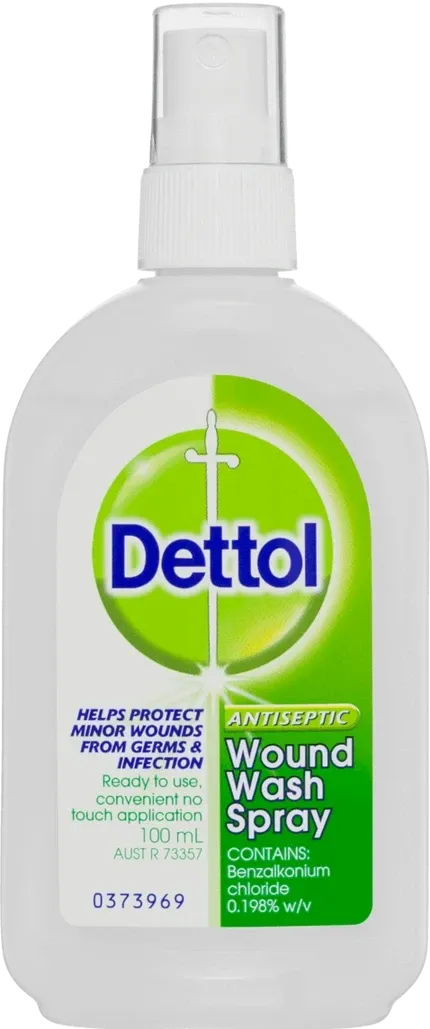
Gentle antiseptic on the skin


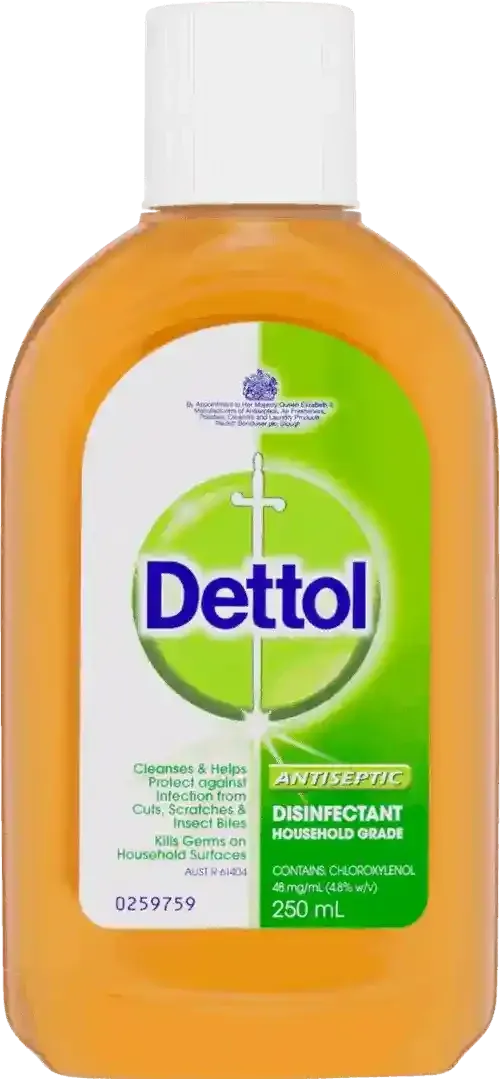
Despite what many people think, fresh sweat does not smell and, on its own, does not cause body odour. Body odour actually occurs when bacteria react with different types of chemicals in our bodies and break them down into molecules called odorants. When our body has a buildup of odorants, this causes an unpleasant smell – or what we may perceive as smelly sweat.
Sweat is actually rich in many nutrients and chemicals that serve as food for the bacteria on your skin and encourages their growth. The more the bacteria thrive, the more odorants they create, which is why sweat is often associated with body odour. Changes to your diet, hormones and the amount and type of bacteria on your skin can alter the composition of your sweat and impact your body odour.
To better understand how sweat influences body odour, it helps to know about the different types of sweat glands – eccrine glands, apocrine glands and apoeccrine glands.
Eccrine glands are found all over your body and produce large amounts of sweat, though this sweat contains mostly just water and salt. Eccrine glands are active from birth and people have between 2 to 4 million in total.* They are most dense on the palms of your hands and soles of your feet.
Apocrine glands become active during puberty are mostly found in your armpits and genital areas – in fact, they are particularly present in armpits and are a significant contributor to armpit sweating. Apocrine glands are larger than eccrine glands and open into hair follicles instead of the skin surface. While they produce less sweat than eccrine glands, apocrine sweat is rich in nutrients that provide an excellent environment for bacteria, making it the usual source for unpleasant body odour. People prone to body odour will often have a lot of odour- causing bacteria in their apocrine glands. Apocrine glands are also responsible for releasing natural chemicals called pheromones, which play a role in attracting or repelling other people and also contribute to body odour.
Apoeccrine glands share a combination of characteristics with both eccrine and apocrine glands. They are only found in the armpit.
Preventing body odour is usually as simple as maintaining good personal hygiene. Here are some easy steps:
*Baker LB 2019. RB-M-14054.
Gentle antiseptic on the skin
Gentle antiseptic on the skin
First published: 15th October 2021
Last updated: 5th April 2024